Current Issue

2025, Volume 23,  Issue 11

General Practice Forum
Diagnosis and treatment of dizziness: a general practice perspective
ZHU Ying, REN Jingjing
2025, 23(11): 1813-1817. doi: 10.16766/j.cnki.issn.1674-4152.004235
87 12
Abstract:
Dizziness is a common medically unspecified disease in general practice, with high incidence and prevalence, which affects patients ' physical, psychological, and social health at all times. A study found that dizziness may cause related functional damage, increase the risk of falls by 12 times, seriously affect their quality of life, and even lead to death. Dizziness involves a wide range of diseases with relatively complex causes, making it prone to missed diagnosis and misdiagnosis by general practitioners during initial consultations. Therefore, it is imperative to train general practitioners to adopt a holistic approach, standardize the diagnosis and treatment of dizziness, and improve the skills of differential diagnosis. For patients with complaints of dizziness, the general practitioner collects medical history through the RICE interview, conducts a detailed physical examination, targeted examination, and carries out a comprehensive evaluation. In particular, it is very important to quickly assess the degree of dizziness, identify the "red flag signs", and refer patients in time. The management strategies of general practitioners encompass non-pharmacological therapies, pharmacological interventions, rehabilitation programs, psychotherapy, and follow-up appointments, and play a coordinating role by combining primary diagnosis and treatment with referral to general hospitals, in order to alleviate symptoms, reduce functional damage, improve quality of life, and reduce medical burden. In addition, there is a lack of a complete system for evaluating dizziness in China, as well as an assessment scale and standardized diagnosis and treatment model that meet the national conditions of China. For general practitioners, how to diagnose dizziness with unknown causes, help some patients live with symptoms, and provide long-term management remains to be further researched. This article reviews the relevant domestic and foreign literature on dizziness, summarizes the common diseases, clinical characteristics, and diagnosis and treatment of dizziness, aiming to provide help for general practitioners to standardize the diagnosis and continued management of patients with dizziness.
Interpretation of Guidelines
Key points interpretation of the latest European guidelines for dyslipidemia management in 2025
ZHA Daogang, WU Pingsheng
2025, 23(11): 1818-1824. doi: 10.16766/j.cnki.issn.1674-4152.004236
101 2
Abstract:
Atherosclerotic cardiovascular disease (ASCVD) is the leading cause of death among urban and rural residents in China, and hyperlipidemia is one of the key risk factors for ASCVD. It is therefore of great significance to master the latest guidelines for the management of dyslipidemia. In 2025, the European Society of Cardiology (ESC) and the European Atherosclerosis Society (EAS) released "2025 Focused update of the 2019 ESC/EAS Guidelines for the Management of Dyslipidaemias". The main contents include: recommending the use of SCORE2 and SCORE2-OP to replace the traditional SCORE model for cardiovascular risk assessment, emphasizing the importance of individualized consideration of risk-enhancing factors; recommending novel lipid-lowering drugs for patients with statin intolerance or suboptimal efficacy; advocating early intensive combined lipid-lowering therapy in hospitalized patients with acute coronary syndrome; suggesting that adults should undergo at least one Lp(a) measurement, especially high-risk individuals; considering high-purity icosapent ethyl for patients with hypertriglyceridemia; recommending the use of statins for primary prevention in HIV-infected individuals aged ≥40 years; considering statin use in cancer patients at high risk of chemotherapy-related cardiovascular toxicity; and not recommending dietary supplements without proven benefit for lipid lowering. This article aims to interpret the key updates, with the goal of assisting general practitioners in better understanding the new recommendations and optimizing lipid management strategies in clinical practice.
Innovation of diagnosis and treatment priorities and strategies under the guidance of Chinese Guidelines for the Diagnosis and Treatment of Diabetes in the Elderly (2024 Edition)
REN Jie, LU Bin
2025, 23(11): 1825-1829. doi: 10.16766/j.cnki.issn.1674-4152.004237
94 1
Abstract:
With the acceleration of population aging in China, the prevalence of diabetes continues to rise and has become a significant public health issue threatening the health of the elderly. Patients with geriatric diabetes are characterized by high heterogeneity, multiple comorbidities, high risk of complications, and great difficulty in management, which pose greater challenges to clinical diagnosis and treatment. The physiological functions and metabolic status of elderly patients with diabetes show significant differences compared with younger patients, resulting in unique features in the occurrence, progression, and treatment of the disease. Therefore, Chinese Guidelines for the Diagnosis and Treatment of Diabetes in the Elderly (2024 Edition) (hereinafter referred to as the "New Guidelines") have been developed. The "New Guidelines" systematically elaborate on the particularities of geriatric diabetes, diagnosis, prevention and treatment, complications, and management of comorbidities, and propose many innovative views. The "New Guidelines" emphasize the principle of individualized treatment for elderly patients with diabetes, pointing out that treatment plans should take into account factors such as the patient's age, physical condition, complications, and personal preferences to achieve the best therapeutic effect. Meanwhile, the "New Guidelines" also pay special attention to the nutritional management, exercise guidance, and mental health of elderly patients with diabetes, proposing a comprehensive integrated management strategy. This paper will review the development process and current research status of geriatric diabetes diagnosis and treatment in China in combination with the "New Guidelines", and propose the key points and improvement strategies for the diagnosis and treatment of geriatric diabetes. In addition, we will focus on the long-term follow-up and management of elderly patients with diabetes and propose how to achieve standardized comprehensive management of patients through multidisciplinary team cooperation, in order to better guide and help clinicians to achieve standardized comprehensive management of elderly patients with diabetes and improve the clinical outcomes of Chinese elderly patients with diabetes.
Special Topic/Coronary Artery Disease
Analysis of risk factors affecting all-cause mortality in patients with coronary artery disease with mitral regurgitation
Dilihumaer·Aili, Zainula·Yiming, Zulipiyemu·Xier, PENG Hui
2025, 23(11): 1830-1833. doi: 10.16766/j.cnki.issn.1674-4152.004238
39 0
Abstract:
  Objective  The incidence of coronary artery disease (CAD) continues to increase, and mitral regurgitation (MR) is the most common heart valve disease. This study aims to investigate the clinical characteristics exhibited by patients diagnosed with coronary artery disease with MR and analyze the risk factors that have a detrimental effect on their prognosis.  Methods  This study comprised 813 patients diagnosed with coronary artery disease with mitral regurgitation, who were admitted to the Xinjiang Uygur Autonomous Region People's Hospital from January 2018 to December 2023, with a median follow-up period of 2.5 years, and the primary focus of the analysis was all-cause mortality. Patients were categorized into an endpoint event group (n=314) and a non-endpoint event group (n=499) according to the occurrence of an endpoint event. A Cox regression model was used to analyze the correlation between echocardiographic indices and prognosis in the present study, and the predictive ability of left atrial diameter (LAD), left ventricular end-diastolic internal diameter (LVEDD), and left ventricular end-systolic internal diameter (LVESD) for prognosis was assessed by the subjects' operating curves (ROCs), and the optimal cut-off values were determined by the Youden index, and analyzed by using the Kaplan-Meier survival curve.  Results  After making several adjustments to the data, it was found that LAD (HR=1.031, 95% CI: 1.015-1.048), LVEDD (HR=1.057, 95% CI: 1.043-1.071), LVESD (HR=1.046, 95% CI: 1.031-1.062) were all risk factors for the occurrence of endpoint events in patients with coronary heart disease and MR (P < 0.001). The ROC curve showed that LAD, LVEDD and LVESD could predict long-term all-cause death in patients with coronary heart disease and MR (AUC=0.666, 0.755, 0.761, P < 0.001), and the best cut-off values were 42.5 mm, 49.5 mm and 37.5 mm, respectively. The Kaplan-Meier survival curve showed that the survival rate of patients above the threshold was significantly reduced (log-rank χ2=59.737, 123.156, 171.803, P < 0.001).  Conclusion  Cardiac echocardiographic indices have been shown to possess a degree of predictive value regarding prognosis in patients suffering from coronary artery disease and mitral regurgitation, and the increase of LAD, LVEDD and LVESD has been identified as a risk factor for endpoint events in patients.
The relationship between nutritional status and coronary atherosclerotic heart disease in young and middle-aged people
DENG Jie, LIU Xiaoming, LU Wei
2025, 23(11): 1834-1837. doi: 10.16766/j.cnki.issn.1674-4152.004239
31 1
Abstract:
In recent years, the incidence of coronary artery disease (CAD) has gradually become younger, especially in young and middle-aged people aged 35 to 45. Young and middle-aged patients with CAD have an acute onset, a high risk of sudden death, and a worse prognosis. Nutrition has been identified as one of the main risk factors affecting CAD. More than 70% of hospitalized patients with CAD are at risk of nutritional imbalance. Since nutrition is an important modifiable factor through behavioral intervention, it seems to be the best intervention target for CAD. The purpose of this review is to summarize the use of controlling nutritional status (CONUT), the relationship between malnutrition, micronutrients (especially vitamin D, folic acid, vitamin B12, zinc, iron, and selenium) levels and coronary heart disease, and the effect of these nutrient supplementation on the prognosis of coronary heart disease. Malnutrition, micronutrients (especially vitamin D, folic acid and vitamin B12, zinc, selenium, etc.) levels are significantly associated with the prognosis of CAD. Folic acid supplementation can improve cardiovascular health, but the beneficial effects of vitamin D, vitamin B12, and zinc supplementation on cardiovascular health are still controversial. These conflicting results may be related to population characteristics, comorbidities, cardiovascular disease categories, nutritional status, and nutritional supplementation regimens. Appropriate nutrition combined with lifestyle management is still recommended to prevent cardiovascular disease and promote cardiovascular health.
Development trajectory of heart rate deceleration force in elderly patients with stable coronary heart disease and its influencing factors
XU Jinjuan, WU Liping, DONG Guoli, WANG Gang
2025, 23(11): 1838-1841. doi: 10.16766/j.cnki.issn.1674-4152.004240
43 0
Abstract:
  Objective  Based on the latent category growth model (LCGM), this study analyzed the development trajectory of heart rate deceleration force (DC) in elderly patients with stable coronary heart disease (SCAD) and explored factors affecting its development, thereby providing a reference for future treatment strategies for elderly SCAD patients.  Methods  A total of 185 elderly patients with SCAD who were treated in Linping District Integrated Traditional Chinese and Western Medicine Hospital from February 2020 to February 2023 were selected as the research objects. Clinical data and DC values of patients were collected. The differences in DC values of patients at different time points were analyzed. LCGM was applied to explore the potential trajectory subgroups of patients' DC values, and the factors affecting the trajectory subgroups were analyzed by univariate and multivariate analysis.  Results  With the extension of follow-up time, DC value increased gradually, and there were significant differences in DC value at each time point (F=182.301, P < 0.001). LCGM consensus identified three potential change paths of DC value-rapid increase group (subgroup 1), medium DC value-sustained stability group (subgroup 2), and low DC value-slow increase group (subgroup 3). Significant differences in the duration of coronary heart disease, number of lesions, Gensini score, FBG, Hcy, TG, Chemerin, and APN among the 3 subgroups (P < 0.05). Compared with subgroup 1, the main influencing factors for subgroup 3 and subgroup 2 were the number of lesions, Gensini score, TG, Chemerin, and APN (P < 0.05).  Conclusion  Elderly patients with SCAD exhibit different trajectories of DC value change. It is recommended to conduct targeted assessment and intervention based on the homogenous group of elderly patients with SCAD DC value change trajectories to improve patient prognosis.
General Practice Research
sTREM-1 and MMP-9 in predicting futile recanalization after endovascular treatment in acute middle cerebral artery occlusion ischemic stroke
XU Pengfei, LI Rui, SHEN Nan, ZHOU Qianqian, WANG Li, ZHU Yuyou
2025, 23(11): 1842-1845. doi: 10.16766/j.cnki.issn.1674-4152.004241
28 2
Abstract:
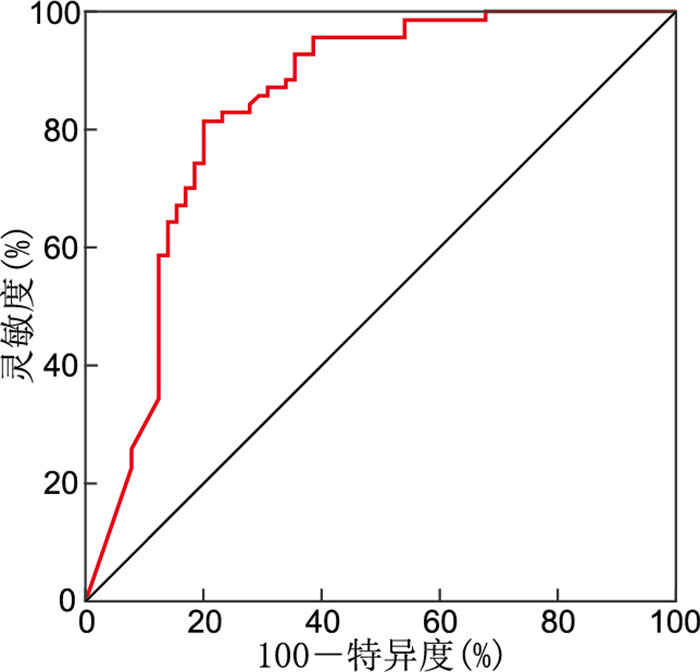
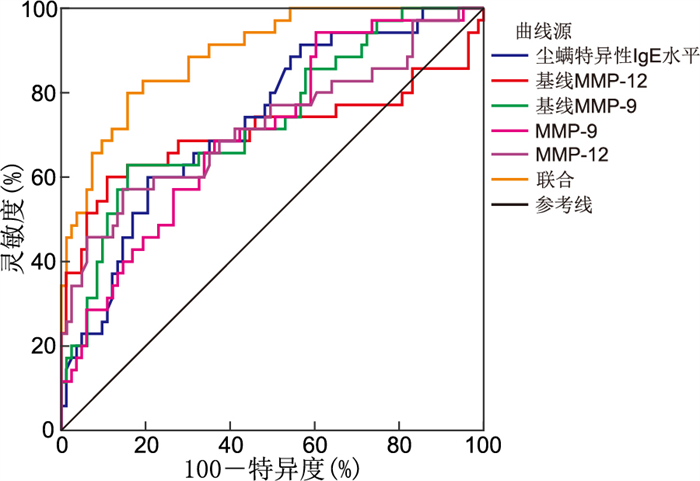
  Objective  To analyze the influencing factors of futile recanalization after endovascular thrombectomy (EVT) in patients with acute middle cerebral artery occlusion stroke (MCAO-AIS), and to explore the predictive value of serum sTREM-1 and MMP-9 levels for futile recanalization.  Methods  A total of 115 MCAO-AIS patients who underwent EVT and achieved successful recanalization in the Department of Neurology, the First Affiliated Hospital of University of Science and Technology of China (USTC) from August 2020 to September 2022, were prospectively enrolled. The patients were divided into the meaningful recanalization and futile recanalization groups according to the mRS score 3 months after EVT. Independent influencing factors for futile recanalization were analyzed by multivariate logistic regression. The receiver operating characteristic curve was used to analyze the efficacy of sTREM-1 and MMP-9 in predicting futile recanalization.  Results  Compared with the meaningful recanalization group, the futile recanalization group had higher age, NIHSS score at admission, blood glucose, neutrophil-to-lymphocyte ratio, serum sTREM-1 and MMP-9 levels, and lower preoperative ASPECT score (P < 0.05). Multivariate logistic regression analysis showed that age (OR=1.060, P=0.030, 95% CI: 1.006-1.117), serum MMP-9 level (OR=1.007, P=0.019, 95% CI: 1.001-1.014), and serum sTREM-1 level (OR=1.009, P < 0.001, 95% CI: 1.004-1.014) were independent influencing factors for post-procedural futile recanalization. The AUC of sTREM-1 and MMP-9 for predicting futile recanalization were 0.837 and 0.763, respectively.  Conclusion  Age, serum sTREM-1 and MMP-9 level are independent influencing factors for futile recanalization in MCAO-AIS patients after EVT. sTREM-1 and MMP-9 are potential biomarkers for predicting futile recanalization.
Variation of serum calcium, parathyroid hormone and NLR, and their relationship between prognosis of patients with papillary thyroid carcinoma
CHEN Hao, XIAO Renyi, NI Xiaofeng, ZHOU Yili
2025, 23(11): 1846-1849. doi: 10.16766/j.cnki.issn.1674-4152.004242
25 1
Abstract:
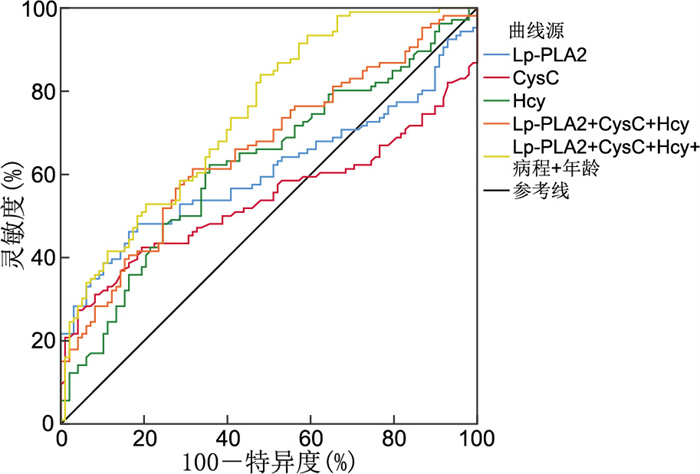
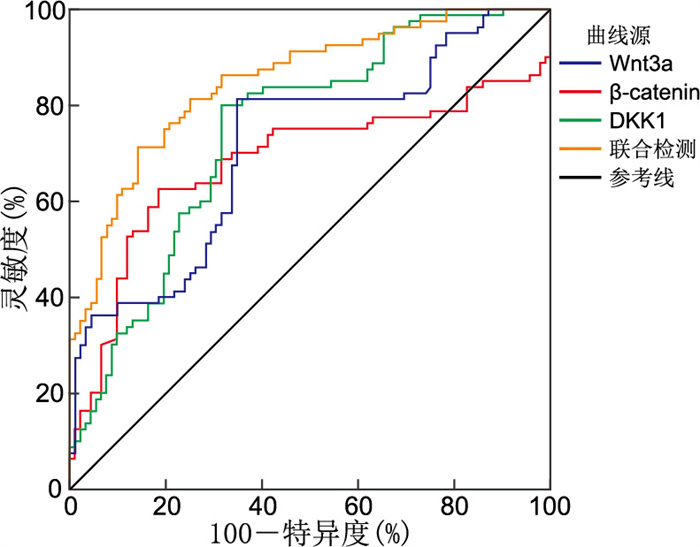
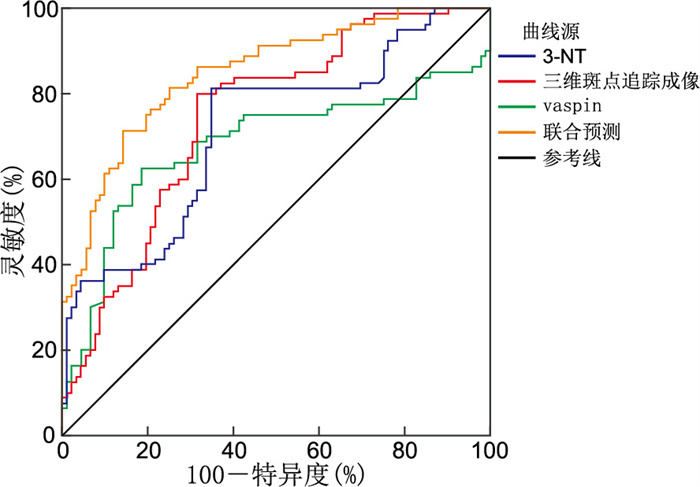
  Objective  Postoperative prognoses of papillary thyroid carcinoma (PTC) exhibit significant inter-patient variability, with some patients experiencing unfavourable outcomes. This study aims to investigate the impact of serum calcium, parathyroid hormone, and inflammatory markers on recurrence and metastasis in PTC patients.  Methods  A total of 87 patients with PTC undergoing surgical resection at the First Affiliated Hospital of Wenzhou Medical University were enrolled between January 2019 and January 2021. Patients were subjected to a three-year follow-up period after surgery in order to statistically analyze the recurrence and metastasis of the disease. The present study set out to compare the levels of peripheral blood calcium, PTH and NLR were compared before and after surgery. A comparison was made of the clinical data, levels of peripheral blood calcium, PTH and NLR in the good prognosis group and poor. The prognostic value of serum calcium, PTH and NLR was analyzed by receiver operating characteristic (ROC) curve analysis.  Results  Post-surgically, there was a significant decrease in the levels of peripheral blood calcium, PTH and NLR in patients with PTC (P < 0.05). After 3 years of follow-up, there were 37 cases (42.53%) exhibited signs of recurrence or metastasis. The level of peripheral blood calcium in the poor prognosis group was lower than that in the good prognosis group, PTH and NLR in the poor prognosis group were higher than those in the good prognosis group (P < 0.05). The two groups differed significantly two groups in terms of time from operation to 131Ⅰ treatment, preoperative lymph node metastasis, and tumor stage (P < 0.05). ROC curve analysis demonstrated that the area under the curve (AUC) value of calcium, PTH, NLR and combined detection for evaluating the prognosis of PTC patients was 0.724, 0.690, 0.734 and 0.929 (all P < 0.05).  Conclusion  Post-surgically, there is a marked decrease in the levels of peripheral blood calcium, PTH and NLR are significantly decreased in PTC patients. The combined detection of the three indexes has evaluation value for the prognosis of PTC patients.
Establish Nomogram for myocardial damage in emergency sepsis patients based on mitochondrial damage index, and evaluate its predictive efficacy
CHANG Dongge, YANG Ning, YUAN Yongmei, TIAN Qi
2025, 23(11): 1850-1853. doi: 10.16766/j.cnki.issn.1674-4152.004243
29 0
Abstract:
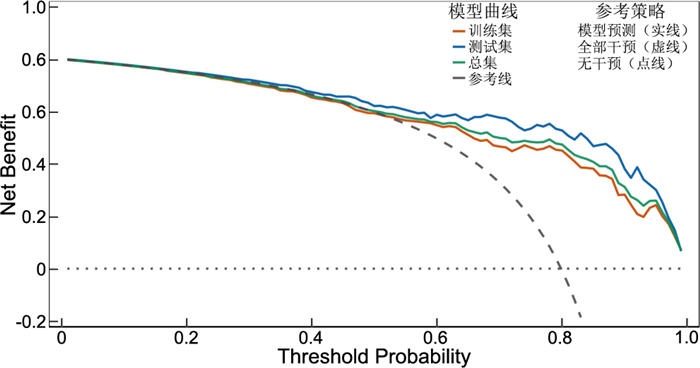
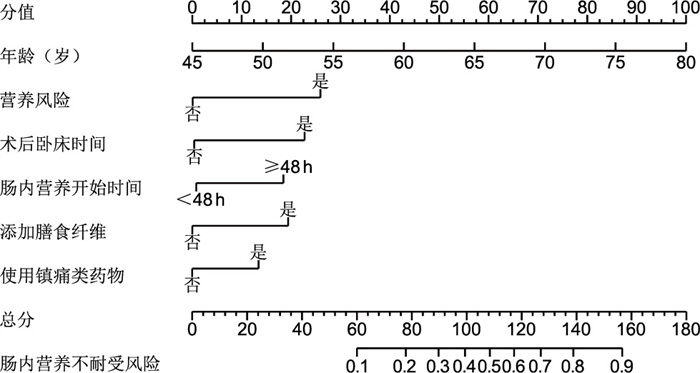
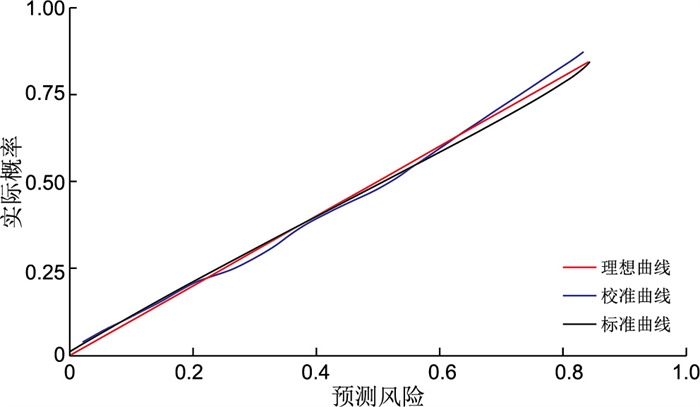
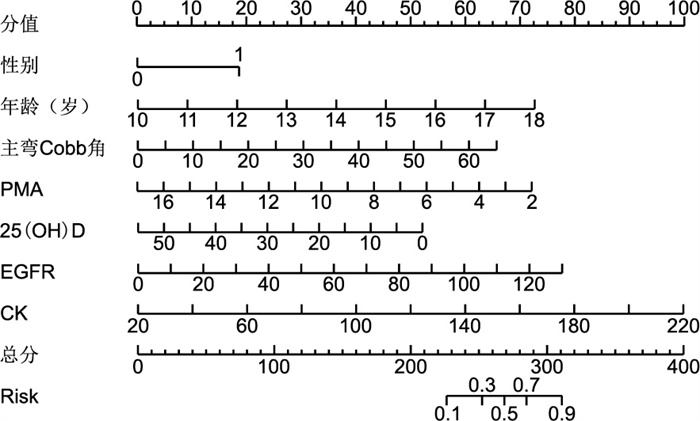
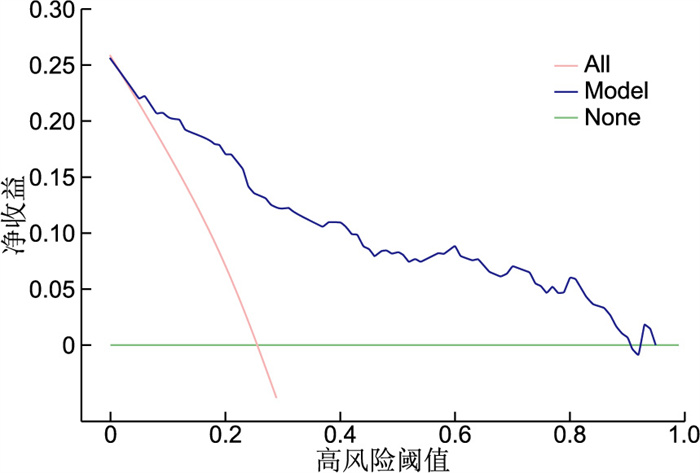
  Objective  The present study investigates the risk index of myocardial damage in patients with emergency sepsis based on mitochondrial damage index (MDI). In addition, the prediction model of Nomograph was constructed to verify its prediction efficiency.  Methods  A prospective analysis was performed on 156 patients with acute sepsis who were diagnosed and treated in Zhengzhou Central Hospital Affiliated to Zhengzhou University from March 2022 to March 2024, and they were divided into two groups: a myocardial injury group (98 cases) and non-myocardial injury group (58 cases) according to whether myocardial injury occurred. Peripheral venous blood was collected on the day of admission, and the MDI of serum T lymphocyte subsets, helper T cells (Th) and inhibitory T cells (Ts) were detected by flow cytometry. The indicators affecting myocardial injury in patients with emergency sepsis were analyzed by uni-factor and multi-factor analysis, and the prediction efficiency of Nomogram was analyzed by receiver operating characteristic curve (ROC).  Results  The myocardial injury group exhibited elevated levels of hyperlipidemia, pulmonary infection, abdominal infection, septic shock, E/A, CD3+, CD4+, CD8+, Th MDI positive and Ts MDI positive when compared to the myocardial injury group were higher than those in non-myocardial injury group (P < 0.05), and EF value was found to be lower in the myocardial injury group than that in the non-myocardial injury group (P < 0.05). Peritoneal infection, septic shock, ejection fraction (EF), Th MDI positive and Ts MDI positive are the influential factors for myocardial injury in emergency sepsis patients. The calibration curve demonstrated that the consistency index was 0.866 (95% CI: 0.773-0.945), the H-L goodness-of-fit test (χ2=6.476, P>0.05), and the area under the ROC curve was 0.829 (95% CI: 0.744-0.906). The sensitivity and specificity were found to be 80.70% and 72.00%, respectively.  Conclusion  Abdominal infection, septic shock, EF, Th MDI positive and Ts MDI positive are the influential factors for myocardial injury in emergency sepsis patients. The Nomograph model established in this study has been shown to be an effective in predicting myocardial injury.
Exploring the activity and mechanism of Bidens pilosa L. extract against MRSA
PU Qiaohong, YANG Tong, CHEN Junhu, CHEN Zhili, ZHOU Ying, SHA Congwei, ZHANG Shaojun, LIU Jie, PENG Tuohua
2025, 23(11): 1854-1858. doi: 10.16766/j.cnki.issn.1674-4152.004244
35 0
Abstract:
  Objective  To evaluate the antibacterial activity of Bidens Pilosa L. extract against Methicillin-resistant Staphylococcus aureus (MRSA) and to elucidate its potential mechanism of action.  Methods  Oxford cup method and microbroth dilution method were used to evaluate the antibacterial effect of B. pilosa L. extract on S. aureus strain ATCC25923, MRSA standard strain ATCC43300, and fifty clinical MRSA isolates, and to determine the minimum inhibitory concentration (MIC). Changes in bacterial suspension conductivity and leakage of nucleic acids and soluble proteins were determined after the action of B. pilosa L. extract on MRSA. In addition, qRT-PCR technology was used to detect the expression changes of resistance-related genes.  Results  The MIC values of B. pilosa L. extract against ATCC25923, ATCC43300, and clinical MRSA strains were 125 mg/mL, 250 mg/mL, and 15.625-250 mg/mL, respectively. The extract of B. pilosa L. increased MRSA cell membrane permeability, leading to leakage of large molecules such as nucleic acids and soluble proteins. The extract of B. pilosa L. inhibited the expression of the biofilm-associated gene icaA.  Conclusion  The extract of B. pilosa L. can significantly inhibit the activity of MRSA. Its mechanism may be related to the impact on MRSA cell membrane permeability and suppression of biofilm-related gene expression.
Analysis of factors influencing auditory temporal resolution in mandarin-speaking adults
WANG Yan, HU Yuanjia, PAN Yunyun, YAN Jiangyu, WANG Yaowen, LIU Yuhe
2025, 23(11): 1859-1861. doi: 10.16766/j.cnki.issn.1674-4152.004245
29 0
Abstract:
  Objective  To examine the association between auditory temporal resolution and speech recognition in noise, and to assess the effects of age, hearing-loss severity, and hearing-aid use on temporal resolution in older adults.  Methods  In this cross-sectional study, 140 older patients who attended the First Affiliated Hospital of Ningbo University from November 2021 to December 2023 were enrolled as the patient group, and 30 young normal-hearing volunteers were recruited as controls. Auditory temporal resolution was measured with the gap-in-noise (GIN) test to obtain the gap detection threshold (GDT). Speech-in-noise performance was evaluated with the mandarin quick speech-in-noise (M-QuickSIN) test to derive the signal-to-noise ratio loss (SNR loss) score.  Results  In the moderate (r=0.856, P < 0.001) and moderately severe hearing-loss groups (r=0.631, P < 0.001), GDT was positively correlated with SNR loss. Long-term hearing-aid users exhibited lower (better) GDT and SNR loss scores. The patient group exhibited higher GDTs than the young control group (P < 0.05). Within the older cohort, GDT differed significantly between the normal-hearing subgroup and the moderate/moderately severe hearing-loss subgroups (P < 0.05).  Conclusion  Auditory temporal resolution is significantly associated with speech-in-noise recognition, and this association strengthens with increasing hearing-loss severity. Age, degree of hearing loss, and hearing-aid use all exert significant effects on GDT. These findings provide important clinical evidence for hearing rehabilitation assessment in the elderly population, indicating that the GIN test can serve as an auxiliary diagnostic tool and underscoring the importance of early hearing intervention.
Analysis of clinical characteristics and risk factors in primary antiphospholipid syndrome with thrombocytopenia
WANG Lili, ZHAO Yunqi, WANG Xin, XIE Changhao
2025, 23(11): 1862-1865. doi: 10.16766/j.cnki.issn.1674-4152.004246
38 2
Abstract:
  Objective  To understand the main clinical characteristics of primary antiphospholipid syndrome (APS) complicated with thrombocytopenia and explore the risk factors for thrombocytopenia in APS.  Methods  A retrospective analysis was conducted on 69 APS patients who were enrolled from the First Affiliated Hospital of Bengbu Medical University from January 2016 to February 2024. Clinical data and laboratory test results were collected, and patients with platelet count (PLT) < 100×109/L were defined as cases of thrombocytopenia, and were divided into two groups: the observation group (n=16) with APS complicated thrombocytopenia and the control group (n=53) with normal platelet count clinical manifestations, laboratory tests, and immunological indicators were compared between the two groups. A multiple logistic stepwise regression model was used to analyze the risk factors for thrombocytopenia in APS patients.  Results  Out of 69 APS patients, a total of 16 (23.2%) developed thrombocytopenia. No statistically significant difference was observed between the observation and control groups in terms of clinical characteristics, including thrombosis, heart valve disease, neurological disorders, and renal disorders (P>0.05). The incidence of hypocomplementemia in the observation group was significantly higher than that in the control group [75.0% (12/16) vs. 43.4% (23/53), P < 0.05]. Compared with the control group, the incidence of abnormal decrease in fibrinogen in the observation group was also significantly higher [43.8% (7/16) vs. 15.1% (8/53), P < 0.05]. In addition, there was no statistically significant difference in the positive rate of autoantibodies between the two groups. Multivariate analysis showed that hypocomplementemia (OR=0.198, P < 0.05) and decreased Fib (OR=0.216, P < 0.05) were both independent risk factors for thrombocytopenia complicated with APS.  Conclusion  Thrombocytopenia is common in APS patients, with low complement levels and decreased fibrinogen being independent risk factors for APS complicated with thrombocytopenia.
Comparison of the predictive value of the TyG index and related indices for lean non-alcoholic fatty liver disease
DAI Qingyun, WU Yan, GUO Qinhao, LI Lei, WANG Zhen, QI Jianjun
2025, 23(11): 1866-1868. doi: 10.16766/j.cnki.issn.1674-4152.004247
20 0
Abstract:
  Objective  To investigate the utility of the triglyceride-glucose index (TyG index) as a surrogate marker of insulin resistance, examine its association with non-alcoholic fatty liver disease (NAFLD), and assess its predictive efficacy, along with related indices, for lean NAFLD.  Methods  A total of 1 343 individuals who underwent health examinations at the Medical Examination Center of the First Affiliated Hospital of Wannan Medical College from June to August 2023 were selected. NAFLD was diagnosed using abdominal ultrasound, and participants were categorized into a non-NAFLD group (1 099 cases) and a NAFLD group (244 cases). Clinical indices between the two groups were compared. Logistic regression was used to explore the risk factors for lean NAFLD. Receiver operating characteristic (ROC) curve was generated to assess the predictive value of the TyG index and related indices.  Results  Both the TyG index and TyG-BMI index were independent risk factors for the development of lean NAFLD (P < 0.05). The ROC curve results for the total population and gender subgroups showed that the TyG-BMI index had the highest predictive value, with an area under the curve (AUC) of 0.747 (95% CI: 0.713-0.782) in the total population, 0.725 (95% CI: 0.672-0.779) in males, and 0.748 (95% CI: 0.700-0.796) in females.  Conclusion  Both the TyG index and TyG-BMI index are independent risk factors for NAFLD, showing good predictive ability, with the TyG-BMI index exhibiting superior predictive performance.
Analysis of comorbidities and survival of patients with advanced lung squamous cell carcinoma
WANG Zhenlei, GAO Xuefeng, FAN Jian, YANG Fang, HAN Yiping
2025, 23(11): 1869-1873. doi: 10.16766/j.cnki.issn.1674-4152.004248
35 2
Abstract:
  Objective  To analyze the clinical characteristics and comorbidities of patients with advanced lung squamous cell carcinoma and to explore the prognostic factors of patients with advanced lung cancer.  Methods  Clinical data of patients with advanced lung squamous cell carcinoma admitted to the Department of Respiratory Medicine from January 2017 to December 2021 were retrospectively analyzed, with follow-up completed in August 2023. Variables including gender, age, symptoms, smoking status, cancer stage, treatment status, and survival time of patients were statistically analyzed. The simplified comorbidity score (SCS) was used to quantitatively evaluate comorbidities. Kaplan-meier method was used to draw the overall survival (OS) survival curve of patients, and univariate and multivariate Cox regression analyses were used to analyze the predictive ability of OS and to identify prognostic factors in patients with advanced lung squamous cell carcinoma.  Results  A total of 247 patients were included, with an average age of 65.57 years, 217 cases were male, 30 cases were female, 193 cases had a smoking history, and 197 died during follow-up. In this study, the median score of SCS was 8 points (range 0-15), and significant differences in survival were observed among groups with different SCS assessments (P < 0.05). Univariate analysis showed that gender, smoking history, fibrinogen, PS score, immunotherapy, SCS score, and chronic lung disease were influencing factors of OS (P < 0.05). Multivariate Cox regression analysis showed that smoking history, fibrinogen, PS score, immunotherapy, SCS score, and chronic lung disease were independent factors affecting OS in patients with advanced lung squamous cell carcinoma.  Conclusion  The simplified comorbidity score and the presence of chronic lung disease are independent risk factors for OS in patients with advanced lung squamous cell carcinoma.
Characteristics of gastric microbiota in patients with drug-resistant Helicobacter pylori infection
HU Kunmiao, ZHOU Limin, YU Zhenhua
2025, 23(11): 1874-1877. doi: 10.16766/j.cnki.issn.1674-4152.004249
38 1
Abstract:
  Objective  Helicobacter pylori (H. pylori) infection is closely related to the occurrence and development of various gastric diseases, such as chronic gastritis, peptic ulcer disease, and gastric cancer. However, its mechanisms of drug resistance are complex, and the failure rate of traditional eradication programs remains high. Emerging evidence suggests that the gastric microflora may affect H. pylori drug resistance by regulating the local microenvironment or mediating antibiotic metabolism. This study aimed to analyze the characteristics of the gastric bacterial flora in patients with drug-resistant H. pylori infection.  Methods  A total of 184 patients with Helicobacter pylori infection admitted to Chun' an Branch of Zhejiang Provincial People' s hospital from January 2023 to June 2024 were selected as the study objects, and all of them were tested for drug sensitivity. According to the results of drug susceptibility test, the patients were divided into the single-drug resistance group, the double-drug resistance group, and the multiple-drug resistance group. Gastric tissue samples were collected from all patients, and the characteristics of gastric microbiota were detected based on 16srRNA sequencing, including α diversity (Simpson index and Shannon index) and β diversity (based on principal component analysis). LEfSe analysis was used to identify bacteria genera with significant differences among all groups.  Results  Significant differences were observed in the alpha-diversity indices (Shannon and Simpson) among the three patient groups (P < 0.05). The mono-resistant group exhibited the lowest Shannon index (2.54±0.45) and the highest Simpson index (0.67±0.15), whereas the multidrug-resistant group demonstrated the highest Shannon index (4.26±0.34) and the lowest Simpson index (0.44±0.11), P < 0.05. Principal component analysis revealed considerable diversity disparities among the groups (35.6% vs. 27.8%).  Conclusion  The gastric microbiota composition and diversity differ significantly among patients with varying degrees of H. pylori drug resistance.
Study on the association between the Chinese visceral adiposity index and the risk of acute pancreatitis
SU Afang, LI Guangjian, ZHANG Yunshui, WU Shouling, JIANG Xiaozhong
2025, 23(11): 1878-1881. doi: 10.16766/j.cnki.issn.1674-4152.004250
24 1
Abstract:
  Objective  Visceral fat is mostly related to metabolic disorders. This study aimed to explore the relationship between the chinese visceral adiposity index (CVAI) in the Chinese population and the risk of acute pancreatitis (AP).  Methods  A total of 123 461 eligible participants from the Kailuan cohort who participated their first physical examination between 2006 and 2009 were included. Participants were divided into four groups according to the CVAI quartile level. Group Q1 (31 015 cases, CVAI≤7.07 mmol/L), Group Q2 (30 817 cases, 7.07 mmol/L < CVAI≤38.92 mmol/L), Group Q3 (30 816 cases, 38.92 mmol/L < CVAI≤70.74 mmol/L), and Group Q4 (30 813 cases, CVAI>70.74 mmol/L). The cumulative incidence of AP was calculated by Kaplan-Meier method and compared across groups with the log-rank. Multivariate Cox proportional hazard regression model was applied to analyze the evaluated the association between CVAI quartiles and incident AP during follow-up.  Results  Over a mean followed up period of (13.71±2.65) years, 418 cases of AP were identified among 123 416 participants. There were significant differences in the cumulative incidence of AP were observed among the four CVAI quartile groups (χ2=8.862, P=0.031). Multivariate analysis showed that participants in the Q4 group had a significantly high risk of AP (HR=1.504, 95% CI: 1.126-2.010, P=0.006) compared to the Q1 group. In males, the HR (95% CI) for AP in the Q4 group was 1.368 (95% CI: 1.007-1.858, P=0.045). After excluding AP cases that occurred within 2 years of follow-up, the association remained significant (HR=1.553, 95% CI: 1.141-2.112, P=0.005).  Conclusion  Higher CVAI are associated with an increased risk of acute pancreatitis. CVAI may serve as an effective indicator for identifying individuals at elevated risk of AP disease.
Correlation among self-efficacy, self-management behavior and outcome in patients with dilated cardiomyopathy
XIA Hongyun, XU Na, LIU Chao
2025, 23(11): 1882-1884. doi: 10.16766/j.cnki.issn.1674-4152.004251
29 0
Abstract:
  Objective  To explore the correlation among self-efficacy, self-management behavior and prognosis in patients with dilated cardiomyopathy (DCM), in order to further improve the prognosis of DCM.  Methods  Two hundred patients with DCM admitted to Qingdao Municipal Hospital from January 2021 to December 2022 were selected as the research objects and divided into death group and survival group according to the follow-up results. The scores of the general self-efficacy scale (GSES) and the "questionnaire on self-management ability of DCM treatment patients" of the patients were collected through the questionnaire survey method, and the Spearman correlation analysis method was used to study the relationship between them and the prognosis of the disease.  Results  Comparison of GSES assessment results, the self-efficacy of symptom management [(10.88±2.50) points], the score of disease commonality management self-efficacy [(14.84±2.01) points] and the total score of GSES [(25.72±5.96) points] in the survival group were all higher than those in the death group [(7.88±1.92) points, (11.27±3.06) points, (19.15±6.02) points, P < 0.05]. The comparison of self-management behaviors showed that the scores of each sub-scale and the total score were all higher than those of the death group (P < 0.05). Symptom management self-efficacy (r=0.482), disease commonality management self-efficacy (r=0.360), total score of GSES (r=0.423), medication compliance (r=0.650), diet management (r=0.314), complication prevention (r=0.897), disease surveillance (r=0.632), and total score of self-management behavior (r=0.625) were all positively correlated with the prognosis of DCM (P < 0.05).  Conclusion  The self-efficacy and self-management behavior of DCM patients are closely related to the prognosis and improving patients ' self-efficacy and self-management behavior of DCM patients may be conducive to improving the prognosis.
Expression characteristics and diagnostic significance of serum AMH, TyG index and LAP in patients with polycystic ovary syndrome complicated with metabolic syndrome
LOU Chunhua, LU Yuehong, CHEN Huijuan, LIN Hongmei
2025, 23(11): 1885-1888. doi: 10.16766/j.cnki.issn.1674-4152.004252
24 0
Abstract:
  Objective  People with polycystic ovary syndrome (PCOS) are prone to metabolic syndrome (MS). This study explores the diagnostic and evaluation value of serum anti-Miller's hormone (AMH), triglyceride-glucose (TyG) index and lipid accumulation index (LAP) for PCOS combined with MS.  Methods  A total of 159 patients with PCOS admitted to Shaoxing Maternal and Child Health Hospital from January 2023 to December 2024 were selected and divided into the PCOS group and the PCOS combined with MS group based on whether they were combined with MS, with 97 and 62 cases respectively. The general data, positive rate of MS components, serum AMH, TyG index, and LAP of the two groups were compared. Multivariate logistic regression was used to analyze the influencing factors of PCOS patients complicated with MS. The receiver operating characteristic (ROC) curve was used to evaluate the diagnostic efficacy of serum AMH, TyG index and LAP for PCOS complicated with MS.  Results  The positive rates of triglycerides (TG), high-density lipoprotein (HDL-C), hyperglycemia, the proportion of infertility, BMI, fasting insulin (FINS), and insulin resistance (HOMA-IR) in the PCOS combined with MS group were all higher than those in the PCOS group (P < 0.05). The serum AMH [(15.23±3.27) ng/mL vs. (5.86±1.70)ng/mL], TyG index (9.15±0.48 vs. 8.32±0.45), and LAP (85.26±21.14 vs. 30.84±9.73) were all higher than those in the PCOS group (P < 0.05). HOMA-IR, AMH, TyG index and LAP were independent influencing factors for PCOS combined with MS (P < 0.05). The AUC of the combined diagnosis of PCOS combined with MS by AMH, TyG index and LAP was all higher than the AUC of the individual indicators (P < 0.05).  Conclusion  The serum AMH, TyG index and LAP of patients with PCOS combined with MS are abnormally elevated. The combined detection of the three provides a basis for the clinical assessment of the risk of MS occurrence and diagnosis.
Factors influencing the occurrence of diabetic nephropathy and correlation analysis with non-HDL-C and TyG indices
HONG Yanqing, HU Chenliang
2025, 23(11): 1889-1891. doi: 10.16766/j.cnki.issn.1674-4152.004253
30 0
Abstract:
  Objective  To analyze the relationship between non-high-density lipoprotein cholesterol (non-HDL-C), triglyceride glucose (TyG) index and diabetic nephropathy (DN), and to explore the risk factors for DN.  Methods  A retrospective analysis was conducted on 300 patients with type 2 diabetes mellitus (T2DM) who were admitted to Huangshan People's Hospital from July 2022 to July 2024. The patients were divided into the occurrence group (n=120) and non-occurrence group (n=180) according to the presence or absence of DN. The non-HDL-C and TyG index in the two groups were compared using a paired t-test, and the factors affecting DN were analyzed using a logistic regression analysis. The relationship between non-HDL-C, TyG index and DN was analyzed using Pearson's correlation coefficient.  Results  The mean levels of non-HDL-C [(4.98±1.10) mmol/L vs. (4.22±1.26) mmol/L, t=5.480, P < 0.05] and TyG index [(9.16±2.04) mmol/L vs. (7.90±1.75) mmol/L, t=5.714, P < 0.05] were higher in the occurrence group were higher than those in the non-occurrence group. The findings of this study indicate that non-HDL-C (OR=1.745, 95% CI: 1.318-2.311) and TyG index (OR=1.453, 95% CI: 1.219-1.732) are risk factors for DN in T2DM patients (P < 0.05). The present study found a positive correlation between non-HDL-C (r=0.405) and TyG index (r=0.498) and DN (P < 0.05).  Conclusion  The non-HDL-C and TyG index have been identified as risk factors for the development of DN in T2DM patients, and are closely associated with the occurrence of DN. In order to reduce the occurrence of DN, clinical combination and early targeted intervention are required.
Predictive analysis of GBS colonization load on adverse pregnancy outcomes in patients with GBS infection in late pregnancy
DING Jinlong, YING Qunhua, LOU Xiumin, XU Renjie
2025, 23(11): 1892-1895. doi: 10.16766/j.cnki.issn.1674-4152.004254
34 0
Abstract:
  Objective  To analyze the predictive value of group B Streptococcus (GBS) colonization load for adverse pregnancy outcomes in patients with GBS infection in the third trimester of pregnancy, and to evaluate its clinical value as a predictive indicator for early risk stratification and intervention.  Methods  A total of 800 patients with GBS infection in the third trimester of pregnancy at Shaoxing Maternal and Child Health Hospital from January 2022 to December 2024 were selected, followed up until delivery, and their pregnancy outcomes of these patients were then analyzed. According to the pregnancy outcomes, the patients were divided into two groups: an adverse pregnancy outcome group and a good pregnancy outcome group, and the differences in general data between these two groups were then compared. Logistic regression was utilized in order to analyze the factors associated with adverse pregnancy outcomes in patients. The receiver operating characteristic (ROC) curve was utilized to evaluate the predictive value of GBS colonization load for adverse pregnancy outcomes.  Results  A total of 247 cases of adverse pregnancy outcomes were documented, with an incidence rate of 30.88%. Comparisons between the adverse pregnancy outcome group and the good pregnancy outcome group in terms of age, gestational age at delivery, multiple pregnancies, obesity, history of previous infections, complicated with gestational diabetes, complicated with gestational hypertension, medication during pregnancy, oral hygiene status, and GBS colonization load showed statistically significant differences (P < 0.05). Logistic regression analysis demonstrated that older age, smaller gestational age at delivery, multiple pregnancies, obesity, history of previous infections, complicated with gestational diabetes, complicated with gestational hypertension, medication during pregnancy, and high GBS colonization load were risk factors for adverse pregnancy outcomes in patients, while good oral hygiene status was a protective factor. The area under the curve (AUC), sensitivity, and specificity of GBS colonization load in predicting adverse pregnancy outcomes were 0.828, 69.39% and 88.57%, respectively.  Conclusion  It has been determined that the GBS colonization load possesses a high predictive value for adverse pregnancy outcomes in patients with GBS infection during the third trimester of pregnancy. Clinically, more accurate risk assessment and provide a personalized intervention for patients can be carried out based on the level of GBS colonization load combined with other risk factors.
Distribution and management strategies of thyroid dysfunction among elderly residents based on health examinations
XIE Junzhe, ZHANG Chunlian, FAN Jifeng, FENG Xiaoyun
2025, 23(11): 1896-1899. doi: 10.16766/j.cnki.issn.1674-4152.004255
37 0
Abstract:
  Objective  The prevalence of thyroid dysfunction increases with age, but the impact of different thyroid stimulating hormone (TSH) thresholds on health outcomes remains controversial. This study investigates the distribution of thyroid dysfunction and explore primary care management strategies based on the health examination data of 3 830 elderly residents from Dongjing Town, Songjiang District, Shanghai, in 2023.  Methods  Subclinical hypothyroidism (SCH) was defined using TSH cut-offs of 4.2, 6.0, 8.0, and 10.0 mIU/L. Health status and cognitive function were compared among residents with different thyroid function states, and clinical and laboratory indicators were analyzed between the SCH group and the euthyroid control group.  Results  At all TSH thresholds, the red cell distribution width (RDW) in the SCH group was significantly higher than in controls (P < 0.05). When TSH≥6.0 mIU/L, the prevalence of cardiac enlargement in the SCH group was 45.6% (47/103), higher than 29.8% (31/104) in control group (χ2=5.518, P=0.019). When TSH≥8.0 mIU/L, hypertension prevalence was 52.7% (29/55) in the SCH group versus 30.9% (17/55) in control group (χ2=5.380, P=0.020), while diabetes prevalence was 5.5% (3/55) versus 18.2% (10/55, χ2=4.274, P=0.039). When TSH≥10.0 mIU/L, significant differences were observed between SCH and control groups in waist circumference, lipid profiles, and the incidence of sinus bradycardia (P < 0.05).  Conclusion  Elderly residents in Dongjing Town, Songjiang District, Shanghai, have better thyroid health than the national average. When TSH < 10.0 mIU/L, overall health status and cognitive function show no significant differences. Regular monitoring of elderly hypothyroid patients is recommended to prevent iatrogenic risks from overtreatment.
Analysis and optimization of supply and demand matching difference of community integrated medical and elderly care based on multivariate statistical method
ZHUO Shuxiong, WANG Ji, CAO Fuming, YE Xiadong, WU Jialin
2025, 23(11): 1900-1904. doi: 10.16766/j.cnki.issn.1674-4152.004256
28 0
Abstract:
  Objective  This study investigates the current situation of community-based integrated medical and elderly care in the Pudong New Area of Shanghai, analyzes the imbalance between service supply and demand and its influencing factors, and proposes strategies to optimize supply-demand alignment, thereby providing a theoretical reference for the development of integrated medical and elderly care systems.  Methods  From July to August 2024, a total of 330 general practitioners and 380 elderly people who met the inclusion and exclusion criteria were selected as the study subjects. The semi-structured interview method was used to design a questionnaire on the service dimensions of medical care. Factor analysis and K-means clustering analysis were used to analyze the matching between supply and demand.  Results  A total of 292 valid questionnaires were collected from general practitioners, with an effective recovery rate of 88.48%, and 350 valid questionnaires were collected from the elderly, with an effective recovery rate of 92.11%. The applicability test of factor analysis indicated good suitability for both groups, with Kaiser-Meyer-Olkin (KMO) values of 0.937 for general practitioners and 0.884 for the elderly, and Bartlett' s spherical test showing P < 0.001. The results of factor analysis showed that significant differences in the matching of supply and demand in the dimensions of medical examination, referral service, and psychological/spiritual support service (P < 0.05). According to the common factor score, the results of K-means cluster analysis showed that significant differences among the six dimensions of supply-demand services of integrated medical provided by general practitioners (P < 0.05). Among the elderly, significant differences were observed in the needs of health education, health management, medical inspection, traditional Chinese medicine service, and psychological/spiritual support service (P < 0.05).  Conclusion  In the practice of community integrated medical and elderly care, a certain degree of mismatch exists between supply and demand, which is a key factor limiting the high-quality development of the elderly care industry. Therefore, this study proposes optimization suggestions at the macro, meso, micro levels to further narrow the gap between supply and demand and promote the goal of achieving healthy aging.
Health literacy status and improvement strategies of eight health clinics in Fuyang city
XIN Mengyu, TONG Yingge, LI Haolan, ZHANG Jing, WANG Miaoling, CHENG Wenqian, PAN Xiang, HAN Xiumei, ZHU Lin
2025, 23(11): 1905-1909. doi: 10.16766/j.cnki.issn.1674-4152.004257
20 0
Abstract:
  Objective  To investigate the current status of health literacy in health clinics in Fuyang city and explore its influencing factors, so as to propose suggestions for improving health literacy and provide a reference for health promotion and education in primary health care settings.  Methods  A convenience sampling method was adopted to select eight primary health clinics in Fuyang city from May to July 2024. Medical staff and patients from these clinics were surveyed using the primary health care organization health literacy (PHOHL) measurement tool. The range standardization method was applied to normalize the primary and secondary dimensions of the PHOHL tool, allowing horizontal comparisons across dimensions.  Results  The total PHOHL scores of the eight health clinics ranged from 144.25 to 231.41, with an average score of (200.31±35.50) points. Among the four dimensions of the PHOHL tool, "Health-Promoting Physical Environment" had the highest average score (0.757), followed by "External Collaboration" (0.718), "Staff Support for Health Promotion" (0.631), and "Health-Promoting Management Systems" (0.630). The PHOHL score of community clinics was higher than that of village clinics [(225.04±6.53) points vs. (159.08±15.73) points, t=8.576, P < 0.001].  Conclusion  The overall health literacy level of the surveyed clinics is moderate. Health literacy in both community and village clinics needs to be improved. Relevant government departments should strive to balance the allocation of health resources between urban and rural areas, strengthen support for village clinics, and enhance their health promotion capacity through improved management and staff competencies.
Health literacy and its influencing factors in functional communities in Shanghai City from the perspective of active health
XU Fen, LI Wanyu, CHEN Chen, LIU Hongya, FU Qiangqiang, JIN Hua, YU Dehua
2025, 23(11): 1910-1914. doi: 10.16766/j.cnki.issn.1674-4152.004258
34 2
Abstract:
  Objective  Based on the perspective of active health, this study aims to identify the problems in health literacy among functional community residents in Shanghai and propose several strategies to improve their health literacy.  Methods  A sampling survey was conducted among the functional community population in Shanghai utilizing a self-developed questionnaire and the health literacy management scale (HeLMS) from February to June 2023. The survey aimed to assess demographic characteristics, prevalence of underlying health conditions, levels of health literacy, and sources of health knowledge acquisition within this population.  Results  A total of 333 valid questionnaires were collected, yielding an overall health literacy score of 91.07±17.03. The mean scores for information acquisition ability were 4.49±0.81; for communication and interaction ability, 3.20±0.88; for willingness to improve health, 3.54±0.93; and for willingness to provide economic support, 3.85±1.09. Multiple linear regression analysis indicated that self-assessed living conditions, per capita monthly family income, and the number of channels through which health knowledge were influencing factors of health literacy (P < 0.05).  Conclusion  The overall health literacy of the community in the functional community in Shanghai is insufficient, with good information acquisition ability, while their communication and interaction ability, willingness to improve health, and willingness to provide economic support are generally average. The factors affecting health literacy include the living conditions of the family (self-evaluation), per capita monthly household income, and the number of channels for acquiring health knowledge. One effective way to improve health literacy is to increase the accessibility of health knowledge acquisition channels for the community in the functional community.
Correlation between MRI imaging characteristics of non-mass-like breast cancer and Ki-67 expression levels in non-mass breast cancer
XU Ling, ZHAO Hong, GONG Xijun, ZOU Liwei, WANG Longsheng
2025, 23(11): 1915-1919. doi: 10.16766/j.cnki.issn.1674-4152.004259
28 0
Abstract:
  Objective  To investigate the correlation between MRI features of non-mass breast cancer and Ki-67 expression, providing a basis for non-invasive preoperative assessment of tumor proliferative activity.  Methods  From January 2020 to December 2023, fifty-one patients with pathologically confirmed non-mass breast cancer were enrolled at the Second Affiliated Hospital of Anhui Medical University. Based on postoperative pathology, they were stratified into a low Ki-67 expression group (n=15) and a high-expression group (n=36). Comparisons included clinical data and MRI features [mean apparent diffusion coefficient (ADC) value, axillary lymph node metastasis, enhancement distribution, internal enhancement pattern, time-intensity curve (TIC) curve].  Results  No significant differences were observed in age, mean ADC value, enhancement distribution, or internal enhancement between groups (P>0.05), with clustered ring enhancement predominating (47.06%, 24/51). The high-expression group showed significantly higher axillary lymph node metastasis rates than the low-expression group [58.33%(21/36) vs. 26.67% (4/15), P=0.041].TIC curves in the high Ki-67 group were categorized as type Ⅰ (1 case), type Ⅱ(15 cases), and type Ⅲ (20 cases), while the low Ki-67 group showed type Ⅰ (3 cases), type Ⅱ (9 cases), and type Ⅲ (3 cases). TIC distribution differed significantly between groups (P=0.018), with statistically significant differences in Ki-67 expression between type Ⅰ and Ⅲ curves (Bonferroni-corrected, P < 0.017). Axillary lymph node metastasis rate positively correlated with Ki-67 expression (Kendall' s tau-b=0.289, P=0.041). mean ADC value negatively correlated (r=-0.334, P=0.017), and TIC curve type positively correlated (r=0.303, P=0.031). The combined AUC of axillary lymph node metastasis and TIC curves for predicting Ki-67 expression was 0.761 (sensitivity 0.861, specificity 0.667), outperforming individual indicators (AUC: 0.658, 0.678).  Conclusion  Non-mass breast cancer frequently exhibits clustered ring enhancement. Axillary lymph node metastasis and TIC curves correlate with Ki-67 expression, and their combination improves predictive efficacy, offering value for preoperative assessment of tumor proliferative activity.
Evaluated the value of MRI multi-sequence in brain lesions among AD patients based on hidden structure model and data mining
QI Hongyang, LIN Xiuqin, ZHOU Jie
2025, 23(11): 1920-1924. doi: 10.16766/j.cnki.issn.1674-4152.004260
26 0
Abstract:
  Objective  Evaluate the diagnostic value of MRI multi-sequence combined examination for the degree of cognitive dysfunction in patients with Alzheimer' s disease (AD) based on hidden structure models and data mining.  Methods  A total of 203 AD patients (AD group) and 102 non-AD patients (control group) diagnosed and treated at Shaoxing 7th People' s Hospital from January 2021 to August 2024 were selected as the subjects in this study. The AD patients were divided into the following three groups according to their degree of cognitive dysfunction: mild, moderate and severe.  Results  The hippocampal volume and SN phase shift values in the AD group were lower than those in the control group, while the ADC value was higher (P < 0.05). The implicit structure model demonstrates a close relationship between AD, ADC, hippocampal volume, and the phase shift value of substantia nigra structure. The results of the Modeler data mining show that patients in the "high-risk brain lesion feature cluster" have a higher MMSE score, however, there is a potential risk of lesion. Patients in the "significant brain lesion feature cluster" exhibit more pronounced lesion features and lower MMSE scores. The severity group exhibited reduced volumes of the left and right hippocampus and the SN phase shift value when compared to the mild and moderate groups, and the ADC value in the severity group was higher than observed in the mild and moderate groups (P < 0.05). The cognitive function of AD patients was found to be negatively correlated with hippocampal volume and SN phase shift value, and positively correlated with ADC (P < 0.05). ROC curve analysis demonstrated that the AUC values of hippocampal volume, ADC, SN phase shift, and multi-sequence combined diagnosis of severe cognitive dysfunction in AD patients were 0.748, 0.673, 0.802 and 0.892.  Conclusion  MRI multi-sequence combined examination has been shown to have a certain value in the evaluation of cognitive dysfunction in AD patients, and the combination of hidden structure models and data mining techniques has been demonstrated to be conducive to providing an important reference basis for the early diagnosis and condition assessment of AD.
The pathogenesis of insomnia in liver cirrhosis and research progress in traditional Chinese and Western medicine
HU Weiye, CHAI Haisheng, ZHU Junfeng, XIAO Shuyun
2025, 23(11): 1925-1928. doi: 10.16766/j.cnki.issn.1674-4152.004261
48 1
Abstract:
As one of the common symptoms of liver cirrhosis, the high incidence of insomnia may be associated with clinical symptoms, complications, medication, poor sleep hygiene habits, environmental and psychological factors, etc. Nevertheless, the underlying pathogenic mechanisms remain unclear, may be related to hormonal dysregulation, including melatonin, thyroid hormones, growth hormones, etc.; metabolic disturbances induced by sugar metabolism, bilirubin metabolism, trace element metabolism, intestinal flora metabolism, ammonia metabolism, etc.; changes in body temperature; specific factors related to the different primary etiology; drug effects such as diuretics and β-blockers; and psychology factors, as well as. In Western medicine, pharmacological interventions primarily include ammonia-lowering agents, sedatives, and melatonin, while non-pharmacological approaches involve morning light therapy and cognitive behavioral therapy that incorporate mindfulness. Based on the characteristics of syndrome differentiation, seeking the cause through syndrome analysis, and treating the root cause of the disease, combining the understanding of the etiology and pathogenesis of both liver cirrhosis and insomnia, respectively. Further, it summarizes the pathogenesis and clinical characteristics of insomnia in patients with liver cirrhosis. Aiming to alleviate the insomnia symptoms of patients with liver cirrhosis and enhance their quality of life, traditional Chinese medicine (TCM) rooted in "liver-oriented", treats and diagnoses through oral herbal formulations and external therapies such as acupuncture and massage. This paper reviews recent advances in the pathogenesis of insomnia in liver cirrhosis, progress in Western medical treatments, and systematic TCM perspectives and therapeutic developments for this condition, aiming to provide references for further basic research on pathophysiological mechanisms and real-world clinical practice research.
Research progress of surgical treatment status and optimal timing of therapy in acute necrotizing pancreatitis
ZHANG Cong, LI Cheng
2025, 23(11): 1929-1932. doi: 10.16766/j.cnki.issn.1674-4152.004262
34 0
Abstract:
Acute necrotizing pancreatitis (ANP) is a common and severe acute disease. The necrosis of pancreatic tissue caused by ANP can lead to serious complications and high mortality. Early surgical treatment can help prevent further disease progression and significantly improve the survival rate of patients. With continuous advancements in medical technology, minimally invasive approaches have gradually occupied the mainstay of surgical treatment for ANP, and its characteristics of small trauma and rapid recovery have received extensive attention. Studies have pointed out that conservative management remains the first-line approach for patients with mild ANP. However, for patients with severe complications such as infectious necrosis, abdominal compartment syndrome, bleeding or unstable vital signs, timely surgical intervention is critical for improving outcomes. Based on a comprehensive review of the current situation of surgical treatment of ANP, this review focuses on the types and indications of both conservative and surgical treatments, and provides an in-depth discussion of various interventional therapy in ANP, including ultrasound-guided percutaneous catheter drainage (PCD), radiation interventional therapy, and endoscopic interventional therapy. This review emphasizes the importance of interventional treatment timing in the prognosis of ANP patients, elaborates on the advantages of early interventional therapy and appropriate timing strategies, and explores future trends and research directions to provide clinicians in evidence-based treatment plans and optimizing interventional treatments.
Clinical study of Modified Taohong Siwu Decoction in the treatment of diabetic macular edema of Qi-Yin deficiency combined with blood stasis
KONG Lingchun, PAN Yajie, LIU Huixia, LI Jingjing, LING Yun, QIU Wenjing, ZOU Hong
2025, 23(11): 1933-1936. doi: 10.16766/j.cnki.issn.1674-4152.004263
36 0
Abstract:
  Objective  To observe the clinical efficacy of Modified Taohong Siwu Decoction (MTSD) combined with Ranibizumab in the treatment of diabetic macular edema (DME) and its influence on retinal microcirculation.  Methods  A total of 100 patients (100 eyes) with DME in the Ophthalmology Department of Shuguang Hospital from September 2022 to September 2023 were picked and randomly divided into two groups according to the random list method, with 50 cases and 50 eyes in each group. The control group was treated with intravitreal injection of Ranibizumab. The treatment group was treated with oral MTSD combined with intravitreal injection of Ranibizumab, and followed up for 3 months. TCM syndrome score, best corrected visual acuity, central macular thickness, superficial vascular density and superficial perfusion density in three zones and four places by OCTA in the two groups were measured and compared before and after treatment.  Results  The improvement in TCM symptoms in the treatment group was better than that in the control group (P < 0.05). The BCVA of the treatment group after treatment (4.80±0.21) was greater than that of the control group (4.64±0.30, F=34.857, P < 0.05). After treatment, both groups could reduce CMT (P < 0.001), but there was no statistically significant difference in the groups (P>0.05). After treatment in the treatment group, the VD and PD above and below the inner layer area and above and below the outer layer area increased compared with those before treatment (all P < 0.05). And except for the temporal side, the VD and PD in the central area, the upper part of the inner and outer layers, the nasal side and the lower part of the treatment group increased compared with the control group (P < 0.05).  Conclusion  Compared with simple intravitreal injection of Ranibizumab, MTSD combined in the treatment of DME can improve the discomfort symptoms of patients with Qi-Yin deficiency combined with blood stasis, improve the visual acuity, and improve the retinal microcirculation except the temporal side, which is an effective method for the adjuvant treatment of DME.
Dynamic effect of Qingre Sanjie Recipe on acne based on a DID model
CHEN Caifei, CAO Yi, WEI Lei, FU Hongyang
2025, 23(11): 1937-1941. doi: 10.16766/j.cnki.issn.1674-4152.004264
45 0
Abstract:
  Objective  Acne vulgaris (stagnation of blood-heat syndrome) is a common inflammatory dermatological condition that affects patients ' appearance, and the efficacy of current treatments is limited. This study applied a difference-in-differences (DID) model to analyze the dynamic effect of the Qingre Sanjie Recipe, aiming to provide evidence-based basis for an integrated traditional Chinese and western medicine diagnosis and treatment of acne based on syndrome classification.  Methods  A total of 92 patients with acne vulgaris (stagnation of blood-heat syndrome) admitted to our hospital from September 2023 to September 2024 were randomly divided into a control group (n=46) and an observation group (n=46). The control group received doxycycline capsules combined with fusidic acid cream, while the observation group was supplemented with Qingre Sanjie Recipe on the basis of the control group. The clinical efficacy, traditional Chinese medicine (TCM) syndrome score, inflammation-oxidation, and adverse reactions were compared between the two groups.  Results  The total clinical effective rate in the observation group was significantly higher than that in the control group [95.65% (44/46) vs. 82.61% (38/46), χ2=4.039, P=0.044]. Qingre Sanjie Recipe was significantly related to the decrease of TCM syndrome score of acne vulgaris patients (P < 0.05). After treatment, the levels of tumor necrosis factor-α (TNF-α) and interleukin-17 (IL-17) decreased, while the levels of superoxide dismutase (SOD) increased. The levels of TNF-α and IL-17 in the observation group were lower than those in the control group, while the levels of SOD were higher than those in the control group (P < 0.05). There was no significant difference in the incidence of adverse reactions between the control group and the observation group [6.52% (3/46) vs. 13.04% (6/46), χ2=0.493, P=0.483].  Conclusion  The Qingre Sanjie Recipe is effective in treating acne vulgaris (stagnation of blood-heat syndrome), and it can regulate inflammatory-oxidative factors, reduce the score of TCM syndromes, and demonstrates safety.
Application and prospect of virtual patient in general practice residency training
MA Yundi, REN Jingjing, QIU Yan
2025, 23(11): 1942-1945. doi: 10.16766/j.cnki.issn.1674-4152.004265
24 1
Abstract:
General practitioners (GPs) function as the primary healthcare providers for the nation' s population, responsible for the diagnosis and treatment of a wide range of medical conditions, including both common and complex diseases. Furthermore, they are entrusted with the provision of fundamental public health services, encompassing the prevention and control of infectious diseases, as well as health management. The standardized residency training is a pivotal component of GP education, exerting a direct influence on the professional competence and service capacity of GPs. Nevertheless, the prevailing training paradigm confronts numerous challenges, including a constrained training approach, inadequate faculty, and limited exposure to a diverse array of patients and disease manifestations. The advent of artificial intelligence has led to the emergence of virtual patients as a significant instrument in the education of resident physicians. These institutions offer a secure, adaptable and consistent learning environment for residents, in addition to prompt and relevant feedback. They provide customized and comprehensive learning materials. However, the application and development of virtual patients also face challenges, such as inadequate accessibility of technology and equipment, differences in clinical practice scenarios, and ethical and privacy issues. The objective of this study is to systematically review the extant literature on the subject in order to make an informed assessment of the current status of standardized training for general practice residents. In addition, the study will analyze the application status, advantages and challenges of virtual patients in resident education. Finally, this study will look forward to their future development prospects in the training of general practitioners. This study is expected to provide a theoretical basis and practical references for optimizing the GP training model in China, offer beneficial suggestions for the reform and development of general practice education, and contribute to the improvement of the GP training system.
Awareness and diagnosis treatment ability of early health problems among general practice trainees in Shaanxi Province
WANG Minwen, SU Pingqing, YU Zhaoxiang, CUI Jie, FENG Gong
2025, 23(11): 1946-1949. doi: 10.16766/j.cnki.issn.1674-4152.004266
38 0
Abstract:
  Objective  To provide strong evidence for further targeted improvement of general practitioners ' diagnostic and therapeutic abilities by analyzing the cognitive level and influencing factors of early health problems among general practitioners in the western region.  Methods  A total of 98 trainees from 54 districts and counties in Shaanxi Province were selected as survey participants between September 2021 and September 2023. A questionnaire survey was conducted to assess their awareness of early health problems and self-evaluated diagnostic and treatment competencies.  Results  A total of 98 questionnaires were collected in this study, and the survey results showed that the awareness of this type of health problem among senior students of general practitioner residency training (12.94±3.02) was higher than that of junior students (10.40±3.40, P < 0.01), and their self-assessment value of diagnosis and treatment ability (11.71±2.80) was also higher than that of junior students (9.91±3.16, P < 0.05); Other factors such as gender, age, type of training, and years of work experience didn ' t have a statistically significant impact on self-assessment of awareness and diagnostic and treatment abilities. Academic lectures and training courses related to this type of health issue (accounting for 85.2%) were generally considered to be the most helpful in improving diagnosis and treatment abilities, with case sharing, relevant lectures, and small lectures and outpatient mentoring ranking among the top three.  Conclusion  There are certain deficiencies in the awareness and diagnosis and treatment abilities of general practitioners Shaanxi Province regarding early health problems. Different teaching models are adopted for resident physicians of different grades to further improve the clinical teaching and assessment of such health problems, continuously improve the quality of general practitioners, and contribute to the cultivation of excellent grassroots physicians.
Utilization of three-dimensional anatomy software in the standardized training curriculum for the pain department
WENG Lijun, WANG Yaguang, SHENG Kui, XIANG Jiao, BAO Lijun, WANG Jiayou
2025, 23(11): 1950-1953. doi: 10.16766/j.cnki.issn.1674-4152.004267
30 0
Abstract:
  Objective  To investigate the application effects of three-dimensional anatomy software in standardized training and educational practices within the field of pain medicine, and to verify its superiority in improving the anatomical knowledge and surgical skills of resident doctors through comparative analysis.  Methods  Sixty resident doctors with no fundamental understanding of pain medicine from the Department of Pain Medicine at the Second Affiliated Hospital of Anhui Medical University from January 2020 to December 2022 were selected and randomly divided into a software teaching group and a conventional teaching group by drawing lots, each consisting of 30 students. The software teaching group utilized three-dimensional anatomy software combined with case-based teaching methodologies, while the conventional teaching group used radiological imaging data in conjunction with traditional multimedia teaching techniques. After the course, the instructional efficacy was assessed through theoretical evaluations (covering aspects such as trigeminal nerve anatomy, pathway, branches and distribution, typical clinical symptoms, causes, common treatment methods, and prognosis of trigeminal neuralgia) and surveys.  Results  The statistical analysis of the theoretical examination results revealed that students in the software teaching group achieved significantly higher scores compared to those in the traditional teaching group (Z=-5.388, P < 0.001). Furthermore, the findings of the questionnaire survey indicated that the software teaching group exhibited significantly greater proficiency in anatomical structure mastery (t=8.042, P < 0.001), clinical diagnosis and treatment level enhancement (t=8.625, P < 0.001), and cultivation of learning interest (t=10.522, P < 0.001) compared to the traditional teaching group.  Conclusion  The combination of three-dimensional anatomy software and case-based teaching not only significantly improves the theoretical assessment scores of pain medicine resident doctors but also effectively enhances the satisfaction and interest of students in learning. It is of great significance for promoting students ' in-depth understanding of complex regional anatomy, stimulating enthusiasm for learning, and building confidence, thus facilitating a smoother transition to becoming a pain medicine physician.
Research on critical issues and countermeasures in practice teaching of general practitioners in China
SHAO Han, GUAN Qingyan, YANG Shuanghua, LIU Fanghua, WU Bingyi, YU Yun
2025, 23(11): 1954-1957. doi: 10.16766/j.cnki.issn.1674-4152.004268
25 0
Abstract:
  Objective  To systematically define the critical issues in the practical teaching of oriented medical students in China and to provide a reference for the management of practical teaching.  Methods  Via CNKI, Wanfang Data, and VIP Journal Database, we searched for journal articles in the field of practical teaching of targeted medical students in China. The Smith model was used as the theoretical framework to systematically review and categorize the problem system, and the severity index, importance index and priority index were calculated according to the problem categories; the four-quadrant method and the coefficient of variation method were used to identify the key problems and propose countermeasures.  Results  Eighty-seven journal articles were finally included to form a list of 20 categories of problems; the problems in the practice teaching of oriented medical students in China were mainly concentrated in the part of the main body of policy implementation; the supervisory system (R=0.045), the teaching concept (R=0.042), the performance appraisal (R=0.027), and the coordination mechanism (R=0.026) were the existing key problems in the field of practice teaching of oriented medical students in China. While internship arrangement (R=0.108), and management system (R=0.087) were potential key issues that need to be kept in mind.  Conclusion  The development of practice teaching for oriented medical students in China is mainly limited by the insufficiency of supervision and coordination mechanisms for practice teaching, the diversity of assessment standards, and the fact that the concept of practice teaching has not yet reached the expected level of scientization. Therefore, in the future, under the guidance of macro policies, we should improve the supervision and coordination mechanism between schools and internship bases, construct scientific concepts of practical education, and adjust internship programs to enhance the effectiveness of internship. At the same time, following the concept of human-centered education and focusing on the cultivation of moral and emotional development of oriented medical students is also a necessary means to improve the quality of internship for oriented medical students.
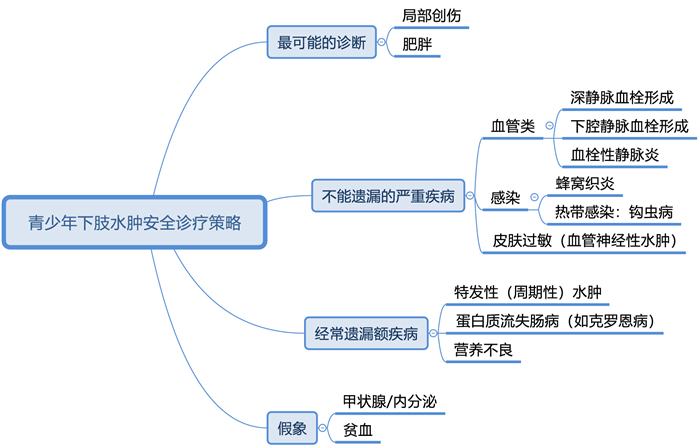
Analysis of the cognition and clinical practice about edema-related medically unspecified disease of general practitioners in China
ZHANG Yunhong, REN Jingjing, ZHAO Yanping, HU Yue, LONG Long, ZHANG Xuelian
2025, 23(11): 1958-1961. doi: 10.16766/j.cnki.issn.1674-4152.004269
19 1
Abstract:
  Objective  To investigate general practitioners ' (GPs) cognition and clinical practice regarding edema-related medically unspecified disease (MUD), providing reference for improving standardized diagnosis and treatment.  Methods  A total of 419 general practitioners who voluntarily participated from January 10th to 24th, 2025 were selected as the survey subjects. An online questionnaire survey was conducted through Wenjuanxing.  Results  Only 21.0% (88/419) of GPs had established edema clinics, 62.8% (263/419) frequently encountered edema patients, 96.4% (404/419) emphasized the necessity of active intervention for edema, 28.2% (118/419) had attended edema-related academic conferences, 95.9% (402/419) demanded standardized guidelines, and 96.7% (405/419) advocated for training. GPs with older age, higher title, higher education, or working in tertiary hospitals managed more edema cases (χ2=8.663, 20.537, 31.440, 49.080; P=0.013, < 0.001, < 0.001, < 0.001). GPs with higher title, older age, or longer experience provided more psychological support (χ2=8.937, 10.033, P=0.011, 0.007). Higher title correlated with more frequent follow-ups and assessments (χ2=11.894, P=0.003). No significant differences in guideline awareness or training needs were observed (P>0.05).  Conclusion  Low edema clinic establishment rates and disparities in edema cognition among GPs. Despite high training demands, current training is insufficient. Future strategies should prioritize edema clinic development and targeted training programs to enhance GPs ' diagnostic and therapeutic capabilities.
A bibliometric-based study on the progress in traditional Chinese medicine for the treatment of bronchial asthma over the past decade
YE Min, TANG Jie
2025, 23(11): 1962-1967. doi: 10.16766/j.cnki.issn.1674-4152.004270
42 1
Abstract:
  Objective  Bronchial asthma is a clinically prevalent chronic inflammatory airway disease, in which traditional Chinese medicine (TCM) has demonstrated distinctive advantages in both prevention and treatment. This study aims to systematically analyze the research status, hotspots, and development trends of TCM in treating bronchial asthma over the past decade using bibliometric methods, thereby providing a reference for subsequent research.  Methods  We retrieved 4 302 relevant articles published between January 2014 and December 2023 from the China National Knowledge Infrastructure (CNKI) database. Using CiteSpace 6.2.R4 software, we conducted a bibliometric analysis of authors, institutions, and keywords, and generated knowledge maps.  Results  The annual publication volume showed an overall upward trend, with the Zhao Xia-Li Zhuying research team making significant contributions. Heilongjiang University of Chinese Medicine and Beijing University of Chinese Medicine were identified as the core institutions in this field. The analysis revealed 613 keywords, 8 keyword clusters, and 20 burst terms. The primary research hotspots in the TCM treatment of asthma focused on three key areas: (1) acupoint application therapy for pediatric asthma; (2) clinical efficacy studies of TCM in asthma treatment; (3) investigations into the effects and mechanisms of TCM on immune function in asthma. In recent years, new research themes and emerging keywords have included network pharmacology, TCM inheritance support system, molecular docking, Ephedra sinica, "external cold with internal fluid retention" syndrome, "cold wheezing" syndrome, inflammation, asthma control test (ACT), and lung-spleen qi deficiency pattern.  Conclusion  The knowledge maps provide a visual representation of the research landscape, hotspots, and future trends in the TCM treatment of bronchial asthma. Recent research has gradually evolved from focusing on clinical efficacy to encompassing clinical application innovation, comparative effectiveness studies, medication patterns, data mining, and signal pathways. This reflects China's growing efforts to promote the inheritance and innovation of TCM, providing valuable clinical insights for the diagnosis, treatment, and future research of bronchial asthma in TCM practice.
The effect of extended comfort intervention combined with cognitive behavioral therapy on patients with cervical cancer undergoing intravenous infusion port chemotherapy
TAN Shuwen, CHEN Yan, ZOU Meiying, ZHU Chenjing, LIU Xingxing
2025, 23(11): 1968-1971. doi: 10.16766/j.cnki.issn.1674-4152.004271
15 1
Abstract:
  Objective  To study the effects of extended comfort intervention combined with cognitive behavioral therapy on cervical cancer patients with concurrent radiotherapy and intravenous infusion port chemotherapy.  Methods  A total of 123 patients with cervical cancer who received concurrent radiotherapy and intravenous infusion port chemotherapy in Jiangsu Cancer Hospital from June 2021 to June 2024 were included and divided into the observation group (extended comfort intervention combined with cognitive behavioral therapy, n=62) and the control group (routine nursing intervention, n=61) by random number table method. Complications, quality of care, satisfaction with care, cancer-related fatigue [revised piper fatigue scale (RPFS)], and quality of life (QOL-C30) were compared between the two groups.  Results  The observation group had lower complication rate [19.35% (12/62) vs. 44.26% (27/61), P < 0.01]; The observation group had significantly higher nursing quality score and nursing satisfaction score (P < 0.01); After intervention, the degree of cancer-related fatigue in the observation group was significantly reduced compared with that in the control group, while QOL-C30 scores were higher than those before intervention and the control group after intervention (P < 0.01).  Conclusion  Extended comfort intervention combined with cognitive behavioral therapy can reduce the risk of complications and cancer-related fatigue in patients treated with concurrent radiotherapy and intravenous infusion port chemotherapy for cervical cancer, and improve the quality of care, nursing satisfaction, and quality of life.
Development of a nurse-led shared care model for palliative care in advanced cancer patients in tertiary general hospitals
SHAN Xinli, CHEN Yongxia, ZHANG Jingjing, YANG Guili, RAO Weiwei, CHENG Nannan
2025, 23(11): 1972-1976. doi: 10.16766/j.cnki.issn.1674-4152.004272
39 1
Abstract:
  Objective  To establish a scientifically feasible nurse-led shared care model for palliative care in advanced cancer patients within tertiary general hospitals.  Methods  In accordance with national palliative care guidelines, an initial indicator system for the shared care model was devised across three dimensions (structure, process and outcome) through expert panel discussions and a review of the extant literature. A two-round Delphi survey was conducted among 15 palliative care specialists, with revisions made according to expert feedback.  Results  All 15 experts involved in the consultation completed both rounds of consultation (response rate: 100%). The Delphi was utilized to refine the initial list of 104 indicators was refined into a final framework comprising 3 first-level, 9 second-level, 26 third-level, and 35 fourth-level indicators, which are distributed across 9 themes (organizational structure, team composition, unit configuration, role specifications, implementation timeline, workflow design, operational protocols, core services and quality evaluation). The expert judgment coefficients were 0.807 (Round 1) and 0.840 (Round 2); the familiarity coefficients were 0.780 and 0.793; and the authority coefficients (Cr) were 0.793 and 0.817, respectively. The Kendall's W for indicator importance ranged from 0.254 to 0.636, while the operational feasibility ranged from 0.305 to 0.624. The results indicated that all indicators achieved a score greater than 4.0 (mean) for importance and feasibility, with standard deviations less than 1.0 and coefficients of variation less than 0.15 (P < 0.01).  Conclusion  The developed nurse-led shared care model for advanced cancer patients is comprehensive, feasible, and scientifically rigorous, providing a practical framework to enhance palliative care delivery in tertiary general hospitals.
Effect of nursing intervention based on the knowledge action model on foot nursing knowledge and behavior of type 2 diabetes patients
YAN Binjuan, FENG Mengxue, ZHAO Chaoying
2025, 23(11): 1977-1981. doi: 10.16766/j.cnki.issn.1674-4152.004273
30 0
Abstract:
  Objective  Patients suffering from type 2 diabetes are predisposed to severe complications arising from diabetes-related foot problems. Effective foot care knowledge and behavior is the key to prevent diabetes foot. This study analyzed the effect of nursing intervention based on the knowledge action model on improving the level of foot care knowledge and behaviour practice of type 2 diabetes patients.  Methods  A total of 198 patients diagnosed with type 2 diabetes who received treatment at Shaoxing Hospital of Traditional Chinese Medicine between September 2022 and September 2024, were selected by convenient sampling method. Participants were randomly allocated into two groups, namely the control group and the observation group, each comprising 99 individuals, using a randomized numerical table. The control group received standard nursing procedures; the observation group received additional care interventions grounded in the knowledge-action framework. A comparative analysis was conducted to evaluate the differences in foot care-related knowledge, behavioural practices and self-efficacy scores between the two groups, before and after the intervention.  Results  Following the intervention, the total score for foot nursing knowledge in the diabetes knowledge scale (ADKnowl) for patients in the observation group was (20.09±2.35) points, which was higher than that in the control group [(17.15±3.84) points, P < 0.05]. The total score for the Nottingham foot care function scale (NAFF) in the observation group was (55.68±6.76) points, which was higher than that in the control group[(49.97±7.46) points, P < 0.05]. Furthermore, the foot care score on the diabetes self-efficacy scale in the observation group was (17.66±2.38) points, which was higher than that in the control group [(13.25±3.10) points, F=10.967, P < 0.05].  Conclusion  The nursing intervention, grounded in the knowledge action model can effectively enhance the level of foot nursing knowledge among type 2 diabetes patients, and improve the patients ' foot nursing self-care abilities and self-efficacy.
The influence of emergency process optimization based on the HFMEA model on the treatment quality of patients with severe craniocerebral trauma
LIU Weidong, ZHANG Ling, LAO Caili, YING Liping, ZHOU Yaoying
2025, 23(11): 1982-1986. doi: 10.16766/j.cnki.issn.1674-4152.004274
39 1
Abstract:
  Objective  To construct an emergency treatment process plan for patients with severe craniocerebral trauma based on the health failure mode and effects analysis (HFMEA) model, aiming to improve the quality of patient treatment.  Methods  A total of 104 patients with severe craniocerebral trauma admitted to the Emergency Department of Shaoxing People's Hospital from April 2023 to April 2025 were selected and grouped according to the order of admission time. The 52 cases admitted from April 2023 to March 2024 were included in the control group and received conventional emergency process intervention, meanwhile, 52 cases admitted to the hospital from April 2024 to April 2025 were included in the observation group. On the basis of the control group, emergency process optimization intervention based on the HFMEA model was given. From the intervention upon admission to 72 hours after admission, the timeliness, operation standardization, treatment effect, incidence of nurse-patient disputes and nursing satisfaction of the two groups were compared.  Results  The triage assessment time, reception waiting time, emergency head CT examination time, time from diagnosis to treatment decision, preoperative preparation time and time from entering the Emergency Department to surgery in the observation group were all shorter than those in the control group (P < 0.05). The compliance rates of airway management [94.23% (49/52) vs.78.85% (41/52)] and intracranial pressure management [88.46% (46/52) vs.71.15%(37/52)] were both higher than those of the control group (P < 0.05). The survival rates at 24 hours and 72 hours after admission were both higher than those of the control group (P < 0.05). The Glasgow Coma Scale (GCS) score 72 hours after admission [(9.09±1.56) points vs. (7.34±1.35) points] was higher than that of the control group (P < 0.05). The incidence of nurse-patient disputes showed no statistically significant difference compared with the control group (P>0.05). The score of nursing satisfaction was higher than that of the control group (P < 0.05).  Conclusion  The optimization of the emergency rescue process based on the HFMEA model can improve the rescue timeliness, operation standardization, treatment quality and nursing satisfaction of patients with severe craniocerebral trauma.
A novel mutation c.29G>A in the X-linked GPR143 gene causes ocular albinism type 1 in a family
LU Yao, LIU Qingyan, MA Shuying, SHAO Xiao, YIN Xin, SHI Lei, XUE Min
2025, 23(11): 1987-1991. doi: 10.16766/j.cnki.issn.1674-4152.004275
33 1
Abstract:
This study conducted pathogenic gene mutation screening and analysis in a pedigree with ocular albinism type 1 (OA1). Affected individuals within the pedigree exhibited typical OA1 clinical features, including congenital bilateral visual impairment, nystagmus, strabismus, reduced iris and fundus pigmentation, and foveal hypoplasia. Whole-exome sequencing (WES) was performed on the proband, revealing a hemizygous mutation c.29G>A (p.Cys10Tyr) in the GPR143 gene located on the X chromosome. This mutation involves a guanine (G) to adenine (A) substitution at nucleotide position 29, resulting in the amino acid change cysteine (Cys) to tyrosine (Tyr) at position 10 of the encoded protein. Sanger sequencing confirmed the presence of this mutation in all affected family members. Bioinformatics analysis indicated that this mutation leads to alterations in the primary structure of the GPR143 protein, including increased molecular weight, isoelectric point (pI), and instability index. Changes in the secondary structure were also predicted, showing an increase in the proportion of alpha-helices and extended strands, accompanied by a decrease in the proportion of random coils. Multiple online prediction tools (PROVEAN, SIFT, Mutation Taster, and Polyphen-2) consistently classified this mutation as pathogenic. This study identified and confirmed a novel pathogenic mutation, GPR143 c.29G>A, broadening the mutational spectrum of this gene. Furthermore, it provides new insights into the functional implications of the GPR143 protein from a protein conformational perspective.
Clinical phenotype and genetic analysis of a case of haemophilia A in a newborn baby
ZHANG Liya, YAN Lulu, LI Haibo, JIN Xiamin, ZHU Lijiao, YANG Ting, CHEN Lili
2025, 23(11): 1992-1994. doi: 10.16766/j.cnki.issn.1674-4152.004276
43 2
Abstract:
Genetic analysis was conducted on a newborn with hemophilia A (HA) to identify the cause of the disease and conduct literature review. A retrospective analysis was conducted on the clinical manifestations of a newborn with HA. Whole exome sequencing (WES) technology was used to screen for pathogenic variants that matched the child's phenotype, and Sanger sequencing was performed to validate the patient, their mother, and half siblings. The clinical manifestations of the child were "subcapsular hematoma, head and face bruising, and progressive hemoglobin decline". A hemizygous frameshift deletion mutation on the coagulation factor Ⅷ (F8) gene was discovered in the patient: c.3637del: p.I11213Ffs * 5. This mutation caused the amino acid encoded by codon 1213 to change from isoleucine to phenylalanine, resulting in a frameshift and premature production of a stop codon. This mutation might lead to abnormal protein function. The mother and half sister of the child were both found to have a c.3637del: p.I11213Ffs*5 mutation in the F8 gene, which may be the cause of the child's illness. This mutation enriches the spectrum of F8 gene mutations and provides clues for genetic counseling and prenatal diagnosis of the family.